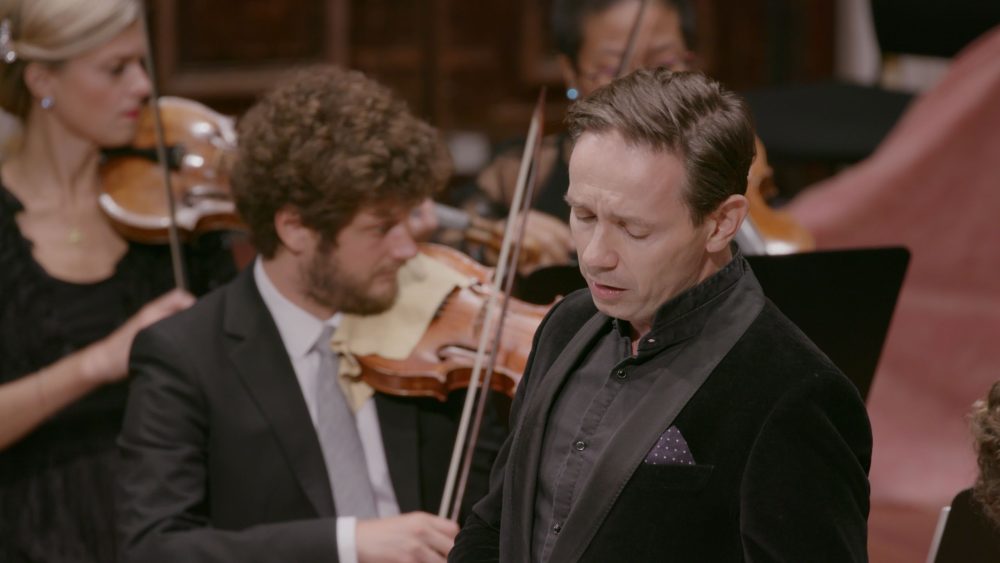
This duet explores the titillating nature of love and desire, depicted with effervescent excitement at its beginning, contrasted with the weight of the possibility of its loss.





This duet explores the titillating nature of love and desire, depicted with effervescent excitement at its beginning, contrasted with the weight of the possibility of its loss.
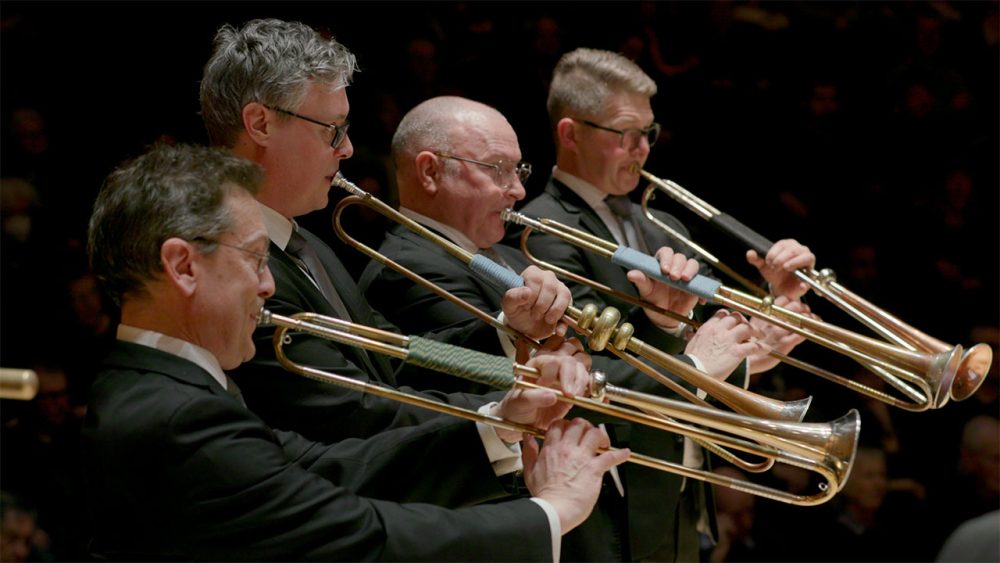
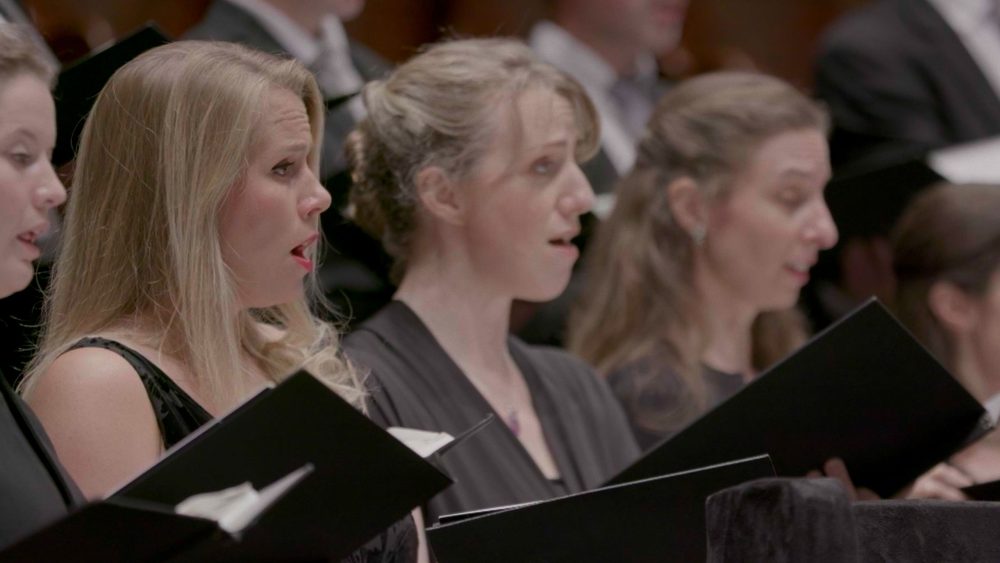
Desperate and forsaken by God, Saul seeks guidance from the Witch of Endor, who summons the spirit of the prophet Samuel. Samuel foretells Saul’s impending doom, declaring that he and his sons will die in battle and the kingdom will pass to David. The prophecy is fulfilled as Saul and Jonathan are killed in combat against the Philistines. An Amalekite …
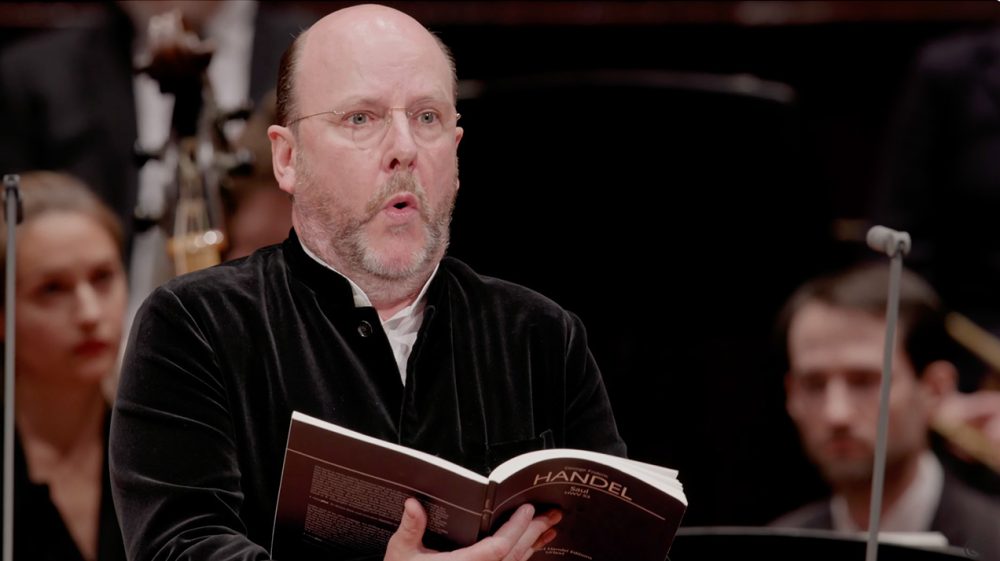
Act 2 delves deeper into Saul’s jealousy and the growing tension between him and David. Jonathan warns David of Saul’s murderous intentions, and the two reaffirm their friendship, with Jonathan vowing to protect David. Saul, consumed by envy, accuses Jonathan of disloyalty for siding with David and even threatens his own son. Despite Saul’s earlier promise to spare David, he …